


15–16 November 2025, Warsaw
2nd Edition – Psychedelic Therapy and Integration Conference
HoloMind
We invite you to the 2nd edition of the Holo Mind Conference.
2nd Edition: A Deeper Look into Integration – in Theory and in Practice
The second edition offers a twice-as-deep exploration of psychedelic integration, featuring extended lectures and double the amount of hands-on practice. Both international and Polish experts — including scientists, psychotherapists, psychologists, and practitioners — will share practical insights into applying various psychological approaches in therapy and in the integration of psychedelic experiences.
The aim of the conference is to present the latest methods of treating depression and post-traumatic stress, while also contributing to our broader educational mission: reducing the risks associated with the illegal use of psychoactive substances.
The Conference will take place on November 15–16, 2025, in Warsaw or online.
In short, what makes the 2nd edition unique is the combination of:
Friday psychedelic integration workshops – both beginner and advanced levels (full program coming soon)
Friday integration & mastermind sessions (details to be announced)
Lectures by new international experts
Longer talks with extended time for expert Q&A
The official launch of Marc Aixalà’s book


The conference is addressed to:
Practitioners and researchers who have been exploring aspects of psychedelic therapy and psychedelic science for years
Psychologists and therapists who are just beginning to discover knowledge about altered states of consciousness and psychedelic substances
Physicians and psychiatrists seeking to understand the potential of psychedelics in patient treatment
Specialists from various professions working in mental health who wish to gain a professional foundation of knowledge about psychedelics
Individuals open to new knowledge within an integral and holistic approach, looking for inspiration and insights into changes in psychology, therapy, and psychiatry
People seeking to connect discoveries from diverse cultures: Western, Eastern, tribal, and urban
Discover
The Hourly Schedule of the Conference
DAY 1 – Workshops
Choose one workshop — limited spots available. All three workshops will be conducted in Polish. And they will not be translated into English.
Psychedelic Integration Workshop – Basic Level – 16:00–21:00
Psychedelic Integration Workshop – Advanced Level – 16:00–21:00
Master Mind Integration Workshop – 16:00–21:00
NOTE: Workshop locations will be different from the main venue for Days 2 and 3. Details will be provided soon.
Day 2 - Lectures
Day 1 – Saturday, November 15, 2025
10:00–19:45
Module 1 (10:00–12:00)
10:00–10:30 – Piotr Matejuk – The therapeutic power of the group: group therapy and psychedelic retreats in practice.
10:30–11:00 – Théo Giubilei – The PsychedeliCare Initiative: European citizens to shape the future of therapy in Europe.
11:00–11:30 – Tomasz Kwieciński – Empowerment or Trauma? The function and consequences of nightmare Trips.
11:30–12:00 – Jakub Schimmelpfennig – Beyond neuroplasticity: psychedelics and the systemic reorganization of body and brain.
Break: 12:00–12:30
Module 2 (12:30–14:30)
12:30–13:00 – dr Wojciech Krzyczkowski – Comparison of the Mechanisms of Action of Lion’s Mane Mushroom and Psilocybin-Containing Fungi in the Context of Longevity and the Treatment of Nervous System Disorders”
13:00–13:30 – Dorota Okulicz – The role of music in the psychedelic experience.
13:30–14:00 – dr Piotr Marcinowicz – Between experiences and evidence: what we know, what we suspect, and What we don’t know about the effects of psychedelics on depression.
14:00–14:30 – dr Katarzyna Grunt-Mejer –
Love under the influence: ethical dilemmas of psychedelic couples therapy.
Lunch: 14:30–15:30
Module 3 (15:30–18:15)
15:30–16:30 – prof. David Nutt (online) – Learnings from 20 years of psychedelic research
Technical Break: 16:30–16:45
16:45–17:30 – prof. Torsten Passie – MDMA-assisted psychotherapy: History – Techniques – Mechanisms of Action.
- 17:30–18:15 – prof. Eric Vermetten – Reconsidering MDMA: place and time in PTSD Treatment.
Break: 18:15–18:45
Module 4 (18:45–19:45)
Panel: Women in Psychedelics – Research, Risk and New Horizons
End of Day 1: 19:45
Networking party from 20:00
** schedule may change
Day 3 - Lectures
Day 2 – Sunday, November 16, 2025
9:30–18:15
Module 5 (9:30–11:45)
9:30–10:15 – Ian Roullier – Participant Voices – What happens after a clinical trial?
10:15–11:00 – dr Tomáš Páleníček – The effects of ayahuasca on brain activity and inter-brain synchrony during a traditional ceremony in the Amazon Rainforest.
11:00–11:45 – prof. Filip Rybakowski, PhD, DSc – Predictive coding theory: Implications for psychopathology and the action of psychedelics
Break: 11:45–12:15
Module 6 (12:15–13:15)
12:15–12:45 – Łukasz Warchoł – Two worlds? Integration of psychedelic experiences in clinical practice and research
12:45–13:15 – Aleksandra Maciejewicz – Global Legislative Frameworks for Psychedelic Substances: Overview and Directions of Change
Lunch: 13:15–14:15
Module 7 (14:15–16:45)
14:15–15:00 – dr Grace Blest-Hopley – Sex-Specific Considerations in Psychedelic Medicine
15:00–15:45 – dr Berra Yazar-Klosinski – Precision psychiatry: Unlocking the therapeutic potential of psychedelics
15:45–16:45 – prof. Robin Carhart-Harris (online) – How psychedelics work: Illuminating the hidden mind
Break: 16:45–17:15
Module 8 (17:15–18:15)
Panel: Healing Women and War: Healing the Invisible Wounds
End of Day 2: 18:15
** schedule may change
Meet the
Conference Speakers
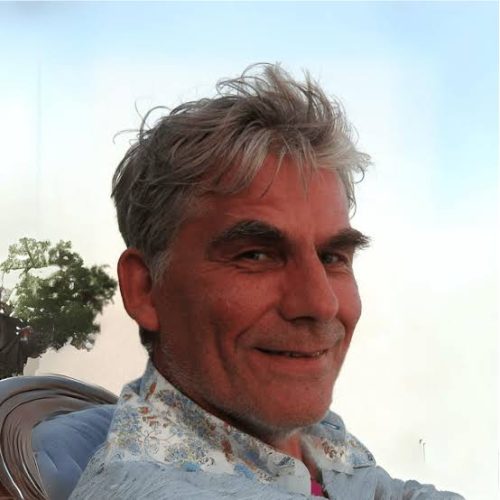
Prof. dr Torsten Passie
Torsten Passie, MD, PhD
Hannover Medical School; Gotha-University Frankfurt/Main
Torsten Passie MD, MA is Professor of Psychiatry and Psychotherapy at Hannover Medical School (Germany) and Visiting Scientist at Goethe University in Frankfurt/Main (Germany). He studied philosophy, sociology
(M.A.) at Leibniz-University, Hannover and medicine at Hannover Medical School. His prize-winning dissertation was about existential/phenomenological psychiatry. He worked at the Psychiatric University Clinic in Zürich (Switzerland) and with Professor Hanscarl Leuner (Göttingen), a leading European authority on hallucinogenic drugs and psycholytic therapy. From 1998 to 2010 he was scientist and a research psychiatrist at Hannover Medical school (Germany) where he did research on the psychophysiology of altered states of consciousness and their healing potential, including clinical research with hallucinogenic drugs (cannabis, ketamin, nitrous oxide, psilocybin). 2012-2015 he was Visiting Professor at Harvard Medical School (Boston, USA). He is an expert on the pharmacology and clinical/therapeutic use of hallucinogenic and entactogenic drugs. His publications appeared in Journal of Psychopharmacology, Neuropsychobiology, Addiction Biology, Addiction, CNS Neuroscience and Therapeutics and others. He has published around 20 books, including The Pharmacology of LSD 2010 and The History of MDMA 2023, both by Oxford University Press.
The book of prof Torsten Passie „Terapia z użyciem MDMA i innych entaktogenów” is available in Polish.
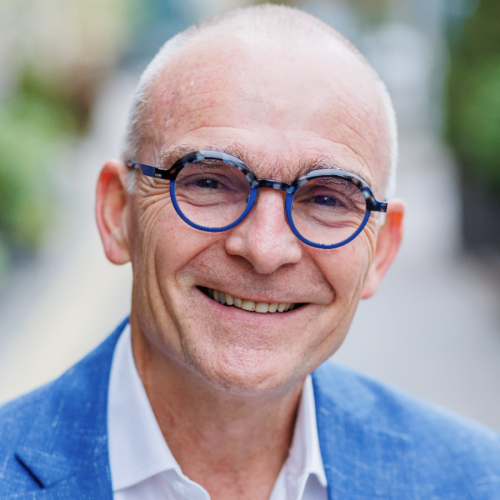
Prof. dr Eric Vermetten
Psychiatrist
Prof dr HGJM Eric Vermetten, MD, PhD, is a clinical psychiatrist working with veterans and other uniformed officers as Strategic Advisor (COL) of Research at the Military Mental Health Service with the Dutch Ministry of Defense and ARQ National Psychotrauma Center. He holds an endowed chair in Psychiatry at the Department Psychiatry at Leiden UMC. He also has an Adjunct Professorship at the Department Psychiatry of New York UMC. He is trained in the Netherlands as well as in the USA in psychiatry and neuroscience (Stanford, Yale and Emory University). He has clinical as well as a research positions with a focus on medical/biological as well as psychiatric aspects of complex psychotrauma in military as well as civilian populations. He has published over 200 papers, over 30 book chapters and edited several books on this topic. His research is in the field of stress, trauma, complex PTSD and neuroscience. He is interested in the history of war and has special focus on combining biological-based interventions in psychotraumatology with novel technology and novel drug developments, in particular MDMA, psilocybin, ketamine and medical cannabis. He is PI of a 10 year longitudinal cohort study of prospective research in military operations, PRISMO. Prof Vermetten is an ad hoc reviewer for numerous journals and granting agencies. He has lectured on the topic of PTSD, resilience, military and veterans issues as well as novel approaches to therapy across the globe
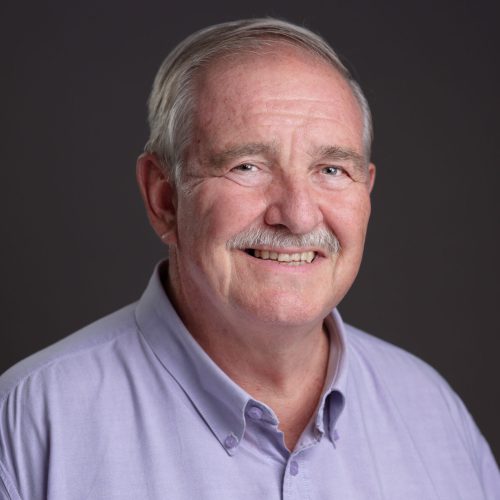
Prof. David Nutt
David Nutt is a psychiatrist and the Edmond J. Safra Professor of Neuropsychopharmacology in Imperial College London and founder of the charity DrugScience.org.uk. David has held many leadership positions e.g. presidencies of the European Brain Council, the BAP, BNA, and ECNP. He has published 40 books including his latest three on Psychedelics including one for the general public https://tinyurl.com/psychedeeliics that has been translated into a number of languages. David has published over 600 research papers that contain many landmark contributions to psychopharmacology especially recently the neuroscience and clinical utility of psychedelics. In 2023 Scholar GPs ranked him the leading psychopharmacologist in the world https://scholargps.com/scholars/73699337611906/david-j-nutt
His recent research into the neuroscience and clinical utility of psychedelics has been made into films e.g. https://www.imdb.com/title/tt8661404 on Netflix and https://www.bbc.co.uk/programmes/m000w7bq on the BBC and a play https://www.goodreads.com/book/show/43887749-all-you-need-is-lsd . He broadcasts widely to the general public on pharmacology and psychiatric matters, has over 60k followers on twitter and has his own very popular podcast (https://podcasts.apple.com/gb/podcast/the-drug-science-podcast/id1474603382 . David’s publications are on https://www.imperial.ac.uk/people/d.nutt/publications.html
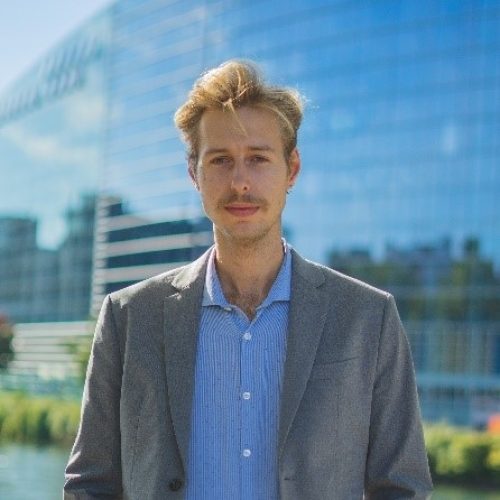
Théo Giubilei
Théo Giubilei is a Brussels-based mental health advocate and graduate in European Politics and Public Affairs from Sciences Po Strasbourg. Convinced by the potential of psychedelics for mental wellbeing, he founded the PsychedeliCare European Citizens' Initiative - an unprecedented grassroots movement calling on the EU to take action on safe, legal, and equitable access to psychedelic therapies.
Since 2022, Théo has voluntarily led and coordinated the initiative, bringing together a growing coalition of citizens, scientists, and civil society organizations across Europe who share a common vision.
As Project Coordinator, Théo plays a vital role in the deployment of PsychedeliCare: mobilizing volunteers, shaping the campaign’s strategic direction, managing international teams, building alliances, engaging with the media, and representing the initiative at high-level events and conferences.
Dr Berra Yazar-Klosinski
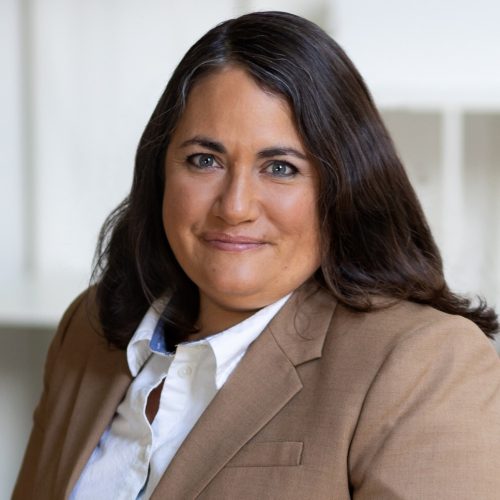
Dr. Berra Yazar-Klosinski is a prominent scientist and executive in the field of psychedelic medicine, particularly known for her work in developing MDMA-assisted therapy for the treatment of post-traumatic stress disorder (PTSD). AlsoFounder & CEO of Yazar Lab, LLC. She previously served as the Chief Scientific Officer of Lykos Therapeutics, a company focused on advancing psychedelic therapies through rigorous scientific research and regulatory engagement. Dr. Yazar-Klosinski's journey into the psychedelic field began in 2009 when she joined the Multidisciplinary Association for Psychedelic Studies (MAPS), a non-profit organization dedicated to developing medical, legal, and cultural contexts for people to benefit from the careful uses of psychedelics. At MAPS, she played a pivotal role in the clinical development of MDMA-assisted therapy, partnering with regulatory agencies like the FDA and EMA to navigate the complex approval processes. Beyond MDMA, Dr. Yazar-Klosinski has contributed to studies involving other psychedelic substances, including LSD, cannabis, and ibogaine, exploring their potential therapeutic applications for conditions such as PTSD, anxiety and opioid use disorder. Born in South Carolina and raised in Turkey, Dr. Yazar-Klosinski's diverse cultural background has informed her perspective on the importance of diversity, equity, and inclusion within the psychedelic field. She has been an advocate for integrating these values into the development and dissemination of psychedelic therapies. Her work continues to shape the evolving landscape of psychedelic medicine, aiming to bring innovative treatments to those in need while advocating for a more inclusive and scientifically grounded approach to psychedelic therapy.
Ian Roullier
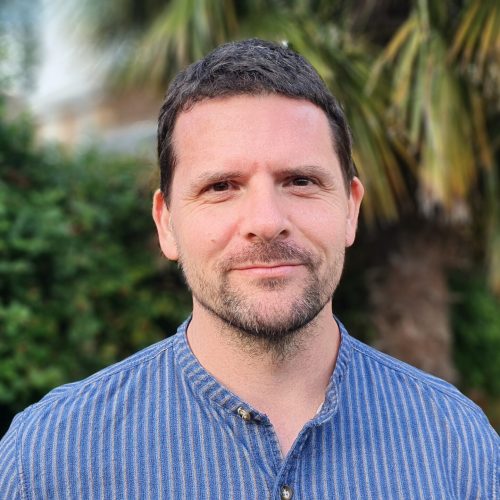
Ian Roullier is the co-founder of the Psychedelic Participant Advocacy Network (PsyPAN). Ian’s participation in clinical trials run by Imperial College (2015) and King’s College/Compass Pathways (2019) inspired his dedication to helping bring these treatments safely to all who may benefit from them. His advocacy work has included giving public talks alongside Dr. Rosalind Watts (Imperial College/ACER Integration), speaking at international conferences such as ICPR, PSYCH and Breaking Convention, addressing policy makers at the European Parliament and at the European Medicines Agency and having his journey featured by Oprah, the BBC and in Michael Pollan's bestseller 'How To Change Your Mind'. Ian is also an ACER Integration sharing circle facilitator and was part of the King's College PsiDeR trial steering committee. PsyPAN works with organisations to ensure participant wellbeing is placed at the heart of their trials and treatments, feeds the participant voice into scientific research to help improve psychedelic safeguarding and fosters community and connection for people who have received psychedelic-assisted therapy.
Prof. dr Robin Carhart-Harris
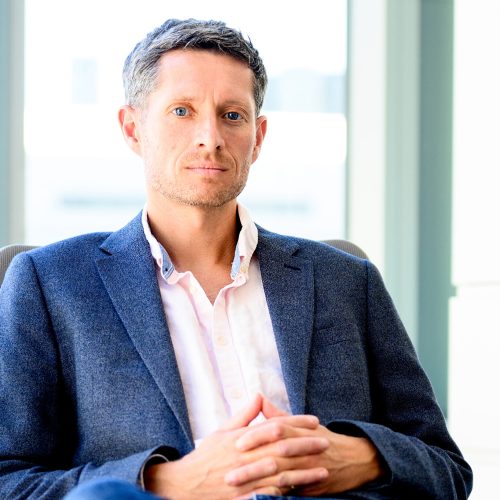
Dr Carhart-Harris obtained a PhD in Psychopharmacology from the University of Bristol in 2009 before moving to Imperial College London. There, Prof CH and colleagues completed multimodal human functional neuroimaging studies with LSD, psilocybin, MDMA and DMT, and clinical trials of psilocybin therapy for various disorders, including trials in depression, anorexia and fibromyalgia syndrome. Dr CH founded the Centre for Psychedelic Research at Imperial College London in April 2019 and set up the Carhart-Harris Lab at University of California San Francisco in 2023, where he moved in 2021, becoming the Ralph Metzner Distinguished Professorship in Neurology and Psychiatry at University of California. He spoke at the World Economic Forum (WEF) in Davos in 2019, was listed among the top 31 medical scientists by The Times newspaper in 2020, TIME magazine’s ‘100 Next’ in 2021 and Vox Magazine’s ‘Future 50’ in 2023. His research program at UCSF focuses on the action of psychedelics and psychedelic-therapy. He has published widely, including in top-tier scientific and medical journals and will soon release his first book, entitled: How Psychedelics Work.
Prof. dr hab. Filip Rybakowski
Specialist in psychiatry and child and adolescent psychiatry.
Prof. dr hab. Filip Rybakowski
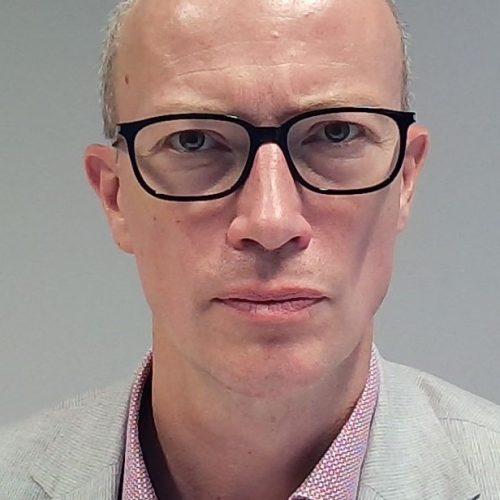
Specialist in psychiatry and child and adolescent psychiatry. He is the head of the Adult Psychiatry Clinic at the Poznań University of Medical Sciences and the Provincial Consultant in the field of psychiatry for Wielkopolska. His scientific achievements include over 100 publications in renowned international journals, which concern the mechanisms and therapy of mental disorders. His most important research interests include innovative methods of treatment, both pharmacological and non-pharmacological, as well as conducting international clinical trials as the principal investigator. He devotes particular attention to the neurobiological determinants of mental disorders and the possibilities of their personalized treatment. He is the chairman of the Wielkopolska-Lubusz Branch of the Polish Psychiatric Association and a member of the Pharmacogenomics and Transcriptomics Network within the European College of Neuropsychopharmacology. Privately, he is passionate about triathlon, which he practices as an amateur in his free time.
Jakub Schimmelpfennig
Psychologist, PhD student in psychology
Jakub Schimmelpfennig
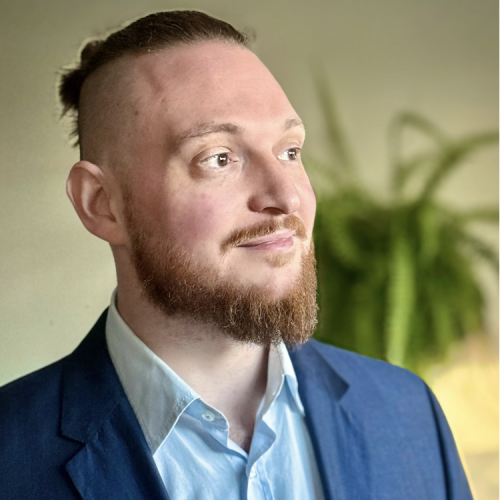
Psychologist, PhD student in the interdisciplinary doctoral school at SWPS University in Warsaw, founder of the Psychedelics & Consciousness Research Group (PCRG). He deals with the use of modern technology and breathing practices to induce altered states of consciousness and the area of psychedelics, with particular emphasis on endogenous DMT.
Weronika Chruszczyńska
Specialist in Research and Education
Weronika Chruszczyńska
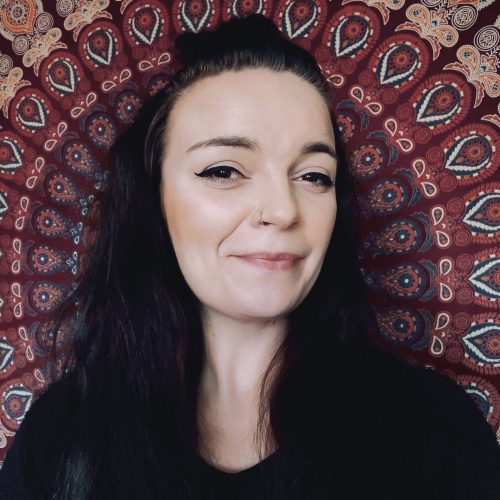
A psychologist (5-year master's studies at Adam Mickiewicz University in Poznań), psychotherapist (4-year School of Psychodynamic Psychotherapy at the Krakow Center for Psychodynamic Psychotherapy), future holotropic breathwork facilitator (Grof Transpersonal Training - ongoing).
Passionate about therapeutic work with altered states of consciousness (achieved both through substances and other methods) and supporting people in psychedelic integration.
She practices the latter in the Psychedelic Workshop in Poznań, which she founded. She participates in numerous training sessions, workshops, and conferences on this topic.
She has 10 years of experience in developmental, intervention, supportive, and therapeutic work with other people. She combines two worlds - formal psychology and psychotherapy with an alternative view of life. Although reconciling these two perspectives is not always easy, she believes that it is precisely because of this that she can provide support to people who have the courage to delve very deeply into themselves and see the surrounding reality broadly.
EDUCATION:
5-year master's studies: Psychology (Adam Mickiewicz University, 2013):
specialization: Health and Disease Psychology
specialization: Psychotherapy of Mental Disorders
4-year postgraduate School of Psychodynamic Psychotherapy (Krakow Center for Psychodynamic Psychotherapy, 2018)
multi-year training program in holotropic breathwork facilitation (Grof Transpersonal Training; ongoing)
Wojciech Mróz
Psychologist
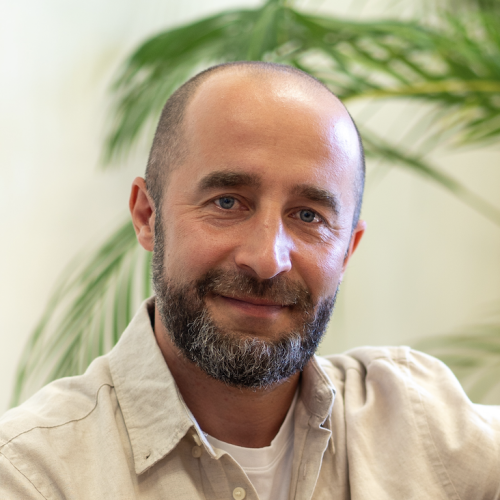
Wojtek Mróz has a master's degree in psychology from SWPS University and is currently attending the Gestalt Psychotherapy School. He has over 200 hours of experience working with men in workshops, men's circles and individual work. He is the initiator and administrator of the Męskie Kręgi i Warsztaty Wrocław group. For over 7 years, he has been exploring the area of integration of expanded states of consciousness and preparation for them, and for 3 years he has been participating in the Grof Transpersonal Training training. He is also a graduate of the Leadership Academy for Poland program and Teaching Assistant of the Advanced Leadership Program.
He wrote a research paper under the supervision of dr hab. Justyna Ziółkowska entitled "Holotropic Breathing Workshops in Participants' Narratives: Analysis of Experiences in the Context of Posttraumatic Growth." He also conducts research related to the mental health of entrepreneurs in Poland.
In his work, he is guided by a holistic approach, integrating work with the mind, emotions, body and spirituality. He believes that true health and well-being result from the harmony between these elements. He focuses on authenticity, believing that being yourself is the key to deep and lasting transformation. His goal is to help clients discover and realize their full potential, both personally and professionally. You can hear his approach to life in this TEDx talk
Szymon Niemiec
Psychologist, Psychotherapist, and Psychedelic Integration Therapist
Szymon Niemiec
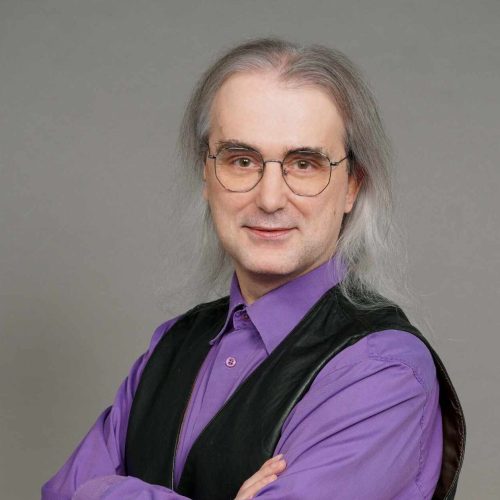
Since 1996, I have been dedicated to supporting people in their personal development — initially as a theatre instructor, then as a social activist, TROP Method coach, trainer, and eventually as a psychologist and university lecturer. My experience in the non-governmental sector, with a particular focus on human rights advocacy and combating social exclusion, has provided me with a strong foundation for offering psychological support and counselling.
My life interests and passions have naturally led me to work with individuals undergoing gender transition, as well as to explore areas touching upon issues of transcendence. I am currently a participant in the Postgraduate Psychotherapy Course accredited by the Scientific Section of Psychotherapy of the Polish Psychological Association, organised by the Polish Ericksonian Institute.

Dorota Okulicz
Psychologist, psychotherapist, psychedelic experiences integrator, psychoeducator, podcaster.
At KeyClinic, she integrates psychedelic experiences for patients with treatment-resistant depression using intravenous ketamine therapy. She collaborates with the HoloMind Psychedelic Therapy Institute.
She provides psychoeducation through workshops, lectures, her own podcast, "FLOW your mind!", and on social media.
After hours, she organizes and hosts an event about passions, "Myśly Gonitwa," meditates, writes, and sings.

dr. Katarzyna Grunt-Mejer
PhD in Humanities in the field of Psychology (Faculty of Psychology, University of Warsaw), integrative psychotherapist (Dialog School of Psychotherapy), psychosexologist (European Federation of Sexology and European Society for Sexual Medicine), and bioethicist (Institute of Philosophy, University of Warsaw). Assistant Professor at the Department of Clinical and Health Psychology, Faculty of Psychology and Law, SWPS University in Poznań.
Founder and head of the postgraduate program Practical Sexology (SWPS University, Poznań), which promotes consensual and pleasure-oriented sexual life for individuals with both normative and non-normative relational and sexual needs.
Researcher focusing on the social perception of non-mononormative relationships, the phenomenon of the medicalization of sexuality, and the concept of norms in sexology. Principal investigator and researcher in national and international research projects. Member of the Scientific Council of the Polish Psychedelic Society and of several academic associations, including The International Academy of Sex Research, The Society for the Scientific Study of Sexuality, The European Association for the History of Medicine and Health, the European Society for Health and Medical Sociology, and the Philosophy of Science Association. Author of numerous publications in the psychology and philosophy of sexuality.
In her therapeutic work, she supports clients in creating lives filled with meaning, courage, and satisfaction. Her areas of expertise include working with individuals in consensually non-monogamous relationships or those considering opening their relationships, people facing challenges in the sexual and relational sphere, and those with non-standard sexual, gender, or relational identities. She also facilitates the integration of psychedelic experiences and helps clients safely and effectively incorporate experiences with psychedelics and empathogens into their personal growth or therapy.
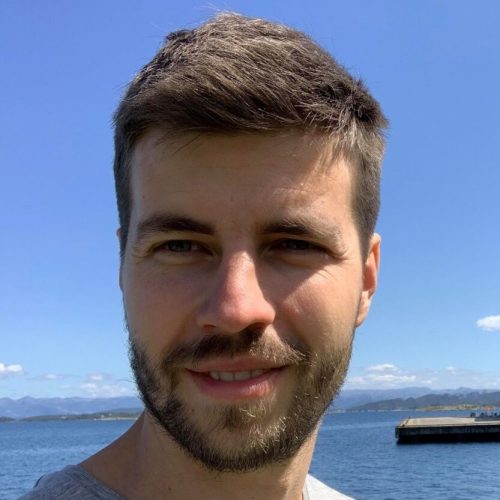
Tomasz Kwieciński
Director of Therapy and Training, Board Member, Co-founder, Therapist, Supervisor of Psychedelic Integration
Tomasz Kwieciński
Responsible for the training, workshop and supervision zone, as well as cooperation with experts.
For years, he has been working therapeutically with expanded states of consciousness, being a transgenerational therapist and a holotropic breathwork facilitator. As the first person in Poland to complete the Grof Transpersonal Training, a multi-year training allowing to guide people through expanded states, he also founded the Holotropic Poland project.
After leading dozens of group sessions in 15 countries on 3 continents, he was admitted to the GTT Staff – a group of the most experienced specialists assisting in the training of new facilitators. He completed specialized training in "Ketamine and Trauma Treatment" and is undergoing training to become a Ketamine Assisted Psychotherapy therapist at Polaris.
He also conducted individual sessions with psilocybin in Amsterdam.
He is currently undergoing a four-year training in behavioral psychotherapy. He works at the Ketamine Clinic, where he prepares, assists, and integrates patients before, during, and after ketamine sessions.
He is also a certified coach by the Coaching Chamber. He lectures at the Professional School of Hypnotherapy.
He has created many articles and recordings, including the Psychedelic Therapy podcast. He is a co-founder of the Tree of Life project (a platform with recordings on psychology and development) and a co-author of Therapeutic Notebooks.
His personal interests also largely revolve around altered states of consciousness.
He has visited the Colombian jungle several times, where he participated in indigenous ceremonies with sacred plants and assisted in them. He has spent extended periods of time in darkness for self-exploration. He has visited sensory deprivation chambers, undergone complete, multi-day fasting several times, participated in long dance ceremonies, climbed high peaks twice, explored various wild corners of the world, and is also a fan of ice baths, long-distance running, ocean diving, sailing, sleeping under the open sky, various forms of yoga, experimental literature, and cinema. Meditation is a daily element of his life.
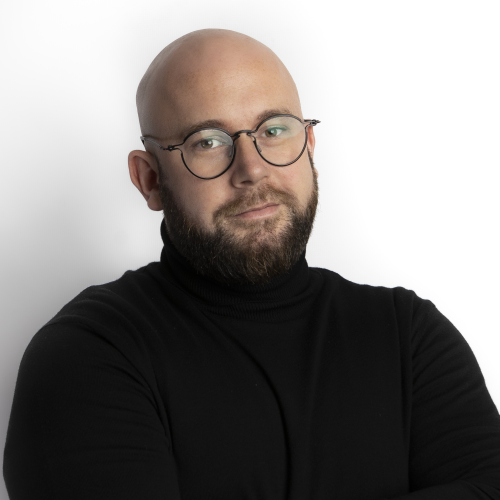
Piotr Matejuk
Psychedelic Therapist
Piotr Matejuk
A psychedelic therapist, founder of the SACRUM Psychedelic Therapy Center, facilitator of the Psychedelic Cannabis Breathwork method, graduate of the Integrative Psychiatry Institute (Boulder, CO) in Psychedelic-Assisted Therapy Training. He collaborates with the Center for Medicinal Mindfulness (USA) and is in the process of MAPS certification. He is a trainer conducting workshops on tripsitting and psychedelic integration, as well as psychedelic leadership. He is the co-creator of the Professional School of Hypnotherapy affiliated with the International Hypnosis Association and a Ph.D. student at the Institute of Psychology, Polish Academy of Sciences. He is the only member in Poland of the Society for Clinical & Experimental Hypnosis – the largest international clinical hypnosis organization in the world. He is the author of the book "Autohypnosis - Close Encounters with Oneself". He has published articles in "Psychologia w Praktyce" and "Charaktery" magazines and is frequently invited to national media as an expert on working in altered states of consciousness.
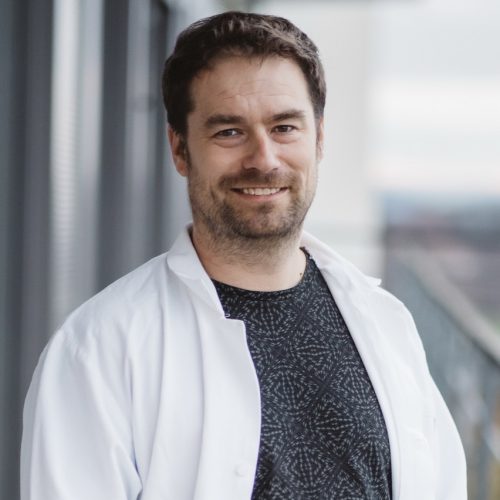
Tomáš Páleníček, MD, PhD
He has worked at the National Institute of Mental Health (formerly the Psychiatric Centre in Prague) since 2001, where he began conducting preclinical research into the neurobiology of schizophrenia using pharmacological models of psychosis. He then shifted his focus to the neurobiology of the effects of psychedelics (e.g. LSD, psilocybin, 2C-B and mescaline) and entactogens (e.g. MDMA, or ecstasy), as well as new synthetic drugs. Alongside his postgraduate research, he completed clinical training in psychiatry, acquiring functional expertise in electroencephalography (EEG) in the process. He defended his doctoral thesis in 2009 and obtained specialisation in psychiatry in 2012. Over the last decade, he has led or participated in several clinical trials involving ketamine, psilocybin, ayahuasca and MDMA, acting as both principal investigator and co-investigator. Until recently, he was the principal investigator on several psychedelics’ grants. In 2022, he became Head of the Psychedelics Research Centre at the National Institute of Mental Health in the Czech Republic. His main current research interests are clinical trials with psychedelics, translational research, and neuroimaging studies with EEG. Additionally, he is one of the co-founders of the Psychedelic Research Foundation (PSYRES) and the PSYON psychedelic clinic, the first ketamine clinic in Europe.
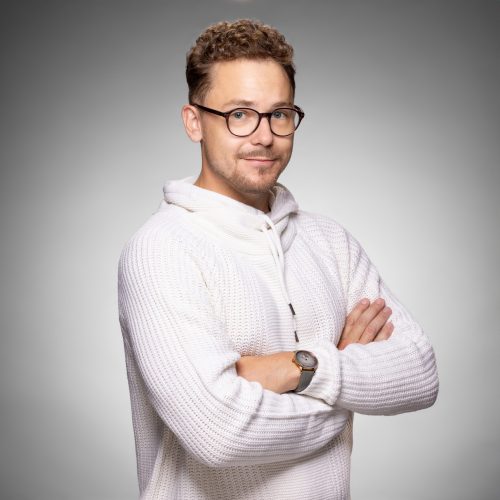
MD, PhD Piotr Marcinowicz
Psychiatrist, Psychiatry Consultant
Piotr Marcinowicz
In 2021, he founded the Ketamineclinic Psychiatry and Psychotherapy Center to provide comprehensive care to patients with all psychiatric disorders, especially treatment-resistant patients.
He is a psychiatrist who completed his specialization at the Tworkowski Hospital and studied at the Wrocław Medical University. As the first psychiatrist in Poland, he introduced private intravenous ketamine treatment for treatment-resistant depression.
He is a member of the American Society of Ketamine Physicians (askp.org), a doctoral student, and a lecturer at the Medical University of Warsaw. He also conducts his own scientific research.
He is the author of publications on depression, bipolar affective disorder, psychiatric disorders accompanying viral infections, peripartum psychiatric disorders, schizophrenia, and addictions.
As a psychiatrist, he gains multidirectional experience in professional and research work. He is guided by honesty, acceptance, and humility in his work. He loves challenges, and continuous education helps him develop his passion.
He focuses on a partnership model of cooperation in treating his patients. He is not afraid to doubt or verify hypotheses. His work is subject to regular supervision.
He regularly educates himself at foreign psychiatric conferences.
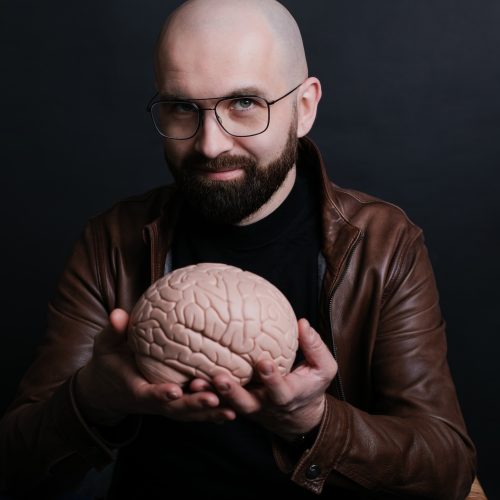
Łukasz Warchoł
Psychologist, psychodynamic psychotherapist, and neuropsychologist. In his clinical practice, he integrates knowledge from neurobiology and neuropsychology with psychodynamic conceptualization of difficulties, providing psychotherapy for adolescents and adults as well as clinical and neuropsychological assessment. He co-founded and directs two institutions in Bydgoszcz: Propsyche Medical Center and Promente Clinical Research Center, where psychiatric and neurological projects are carried out, including clinical trials involving psychedelics. He works with the integration of psychedelic experiences both in private practice and within clinical research. He also teaches at the academic level and conducts professional training.
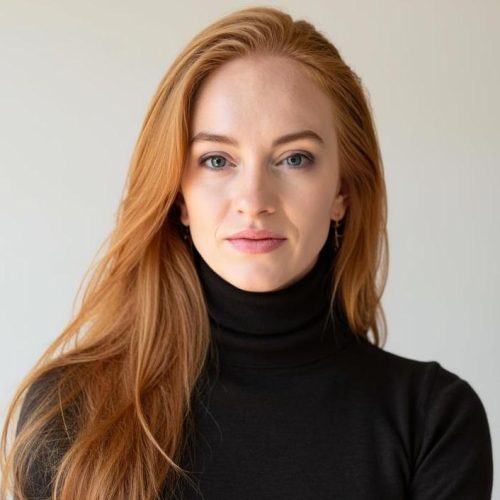
Grace Blest-Hopley, PhD
Dr. Grace Blest-Hopley is a Neuroscientist with 12 years experience researching cannabis, cannabinoids, and psychedelics. Grace completed her PhD in Neuroscience at King's College London and currently serves as the Chief Scientific Officer at NWPharma Tech. She is the Research Director at Heroic Hearts Project, a charity that supports combat veterans with mental health challenges resulting from trauma and is also the founder of Hystelica, a community focused on understanding women's biology for safe and effective psychedelic use. In addition to her research and professional roles, she has served as an officer in the British Army Reserve. Dr. Blest-Hopley advocates for the therapeutic potential of these substances and strives to advance the field of psychedelic research. Her work contributes to promoting a better understanding of women's biology in relation to psychedelics.
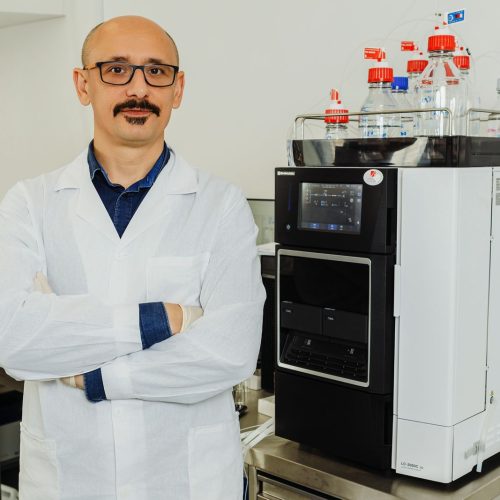
Wojciech Krzyczkowski, PhD
Wojciech Krzyczkowski, Ph.D., is a graduate of the Medical University of Warsaw (specializing in Industrial Pharmacy). For over twenty years, he has been involved in scientific research on the biotechnology of medicinal mushrooms and the extraction of natural compounds. He also completed postgraduate studies in "Herbs in Prevention and Therapy" at Adam Mickiewicz University in Poznań.
He is the co-author of scientific publications on fungal biotechnology and the optimization of the biosynthesis of metabolites with expected biological activity, as well as methods for the isolation and analysis of natural compounds, which have been cited over five hundred times worldwide.
He currently collaborates with the Institute of Extraction Devices, a Polish company producing standardized extracts from plants and mushrooms using supercritical carbon dioxide technology and holding a permit from the Chief Pharmaceutical Inspector for the import, production, processing, and distribution of psilocybin and the cultivation of psilocybin mushrooms.
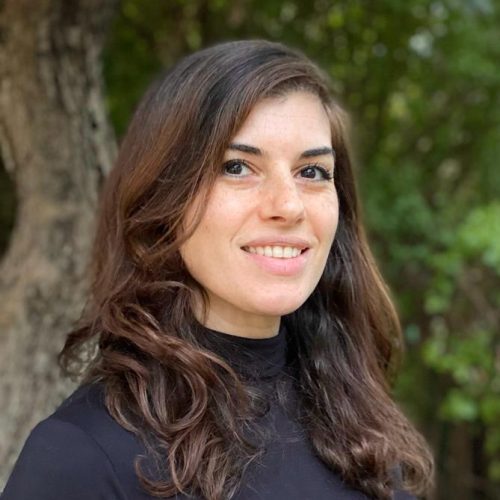
Tali Avron
Tali Avron, expert in managing and coordinating clinical trials in world leading companies, specializing in areas of medical cannabis and psychedelics. She earned a B.Sc degree in Animal Sciences in 2008, where she started to develop her curiosity and passion for scientific research. Always driven by ethical questions around research and her love for nature and animals, in the past few years she has been particularly interested in exploring how science can harness plant power to the benefit of society. In the last few years Tali has been working as the clinical trials manager for MAPS Europe, overseeing the MDMA-assisted therapy program across multiple countries. She is also vegan and an advocate for animal rights. In her free time she enjoys diving, cooking and also volunteers with the harm reduction organization “Safe Shore”, providing support for people undergoing challenging experiences in festivals and raves.
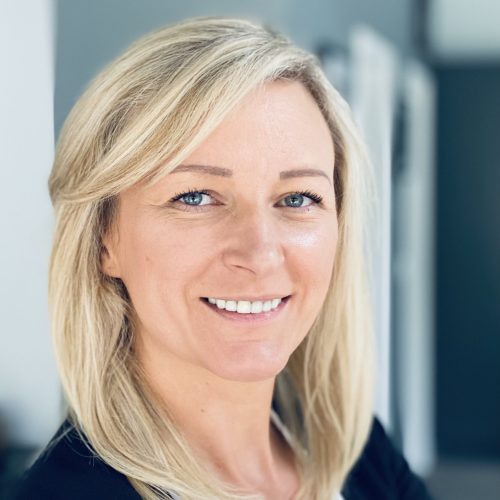
Angelika Kłosińska
Angelika is a psychotherapist and certified psychedelic research therapist with a diverse practice that blends clinical research, therapy, and education. For the past several years she served as Director of the British Transpersonal Association (formerly the British Psychedelic Association). She works on psychedelic clinical trials in London and supports international studies as an Adherence Rater, helping maintain high standards in therapeutic work. She also mentors therapists in psychedelic studies in Poland, supporting the growth of the field across borders.
Alongside her research work, Angelika has experience facilitating psychedelic retreats and integration sessions, which shapes her holistic, grounded approach to therapy. She combines science, traditional talk therapy, mindfulness, and insights from expanded states of consciousness to support deep healing and personal growth.
Angelika is also a public speaker and passionate advocate for women's mental health. She's involved in projects that amplify women's voices and address often-overlooked areas like menopause, trauma, and life transitions, working to make mental health care more inclusive, accessible, and supportive for women at every stage of life.
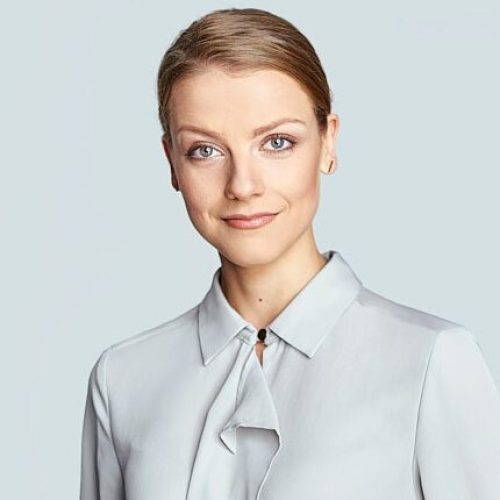
Aleksandra Maciejewicz
Lawyer, Patent Attorney, Psychologist in Training, Legal Consultant
Aleksandra Maciejewicz
Co-founder of LAWMORE, a law firm supporting startups for over a decade. She also founded ONDARE legal/business hub, a company specializing mainly in providing legal services to startups focused on psychedelic substances.
As a lecturer, mentor, and author of the prawodlanaukowca.pl blog, she actively promotes legal knowledge. She works actively to change the legal approach to psychedelic substances. Professionally, she specializes in new technologies law, especially in health tech and computer sciences.
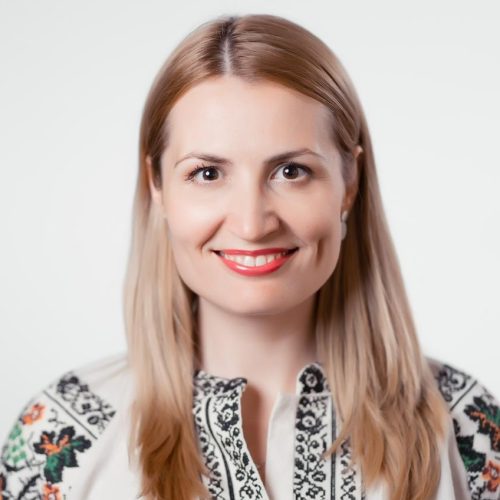
Olga Stefanyshyna
Ukrainian civil society leader, healthcare policy expert, and anti-corruption advocate. A former Member of the Ukrainian Parliament, she co-authored major health reforms, including new regulations for the national blood system, improved drug policies, and the Medical Cannabis Law.
As Deputy Minister of Healthcare for European Integration, she led Ukraine’s alignment with EU health standards, advanced public health initiatives, and reformed medical procurement—eliminating corruption and reducing drug costs nationwide.
She co-developed Ukraine’s National Healthcare Reform Strategy and founded the “Patients of Ukraine” Foundation, one of the country’s most influential patient advocacy organizations.
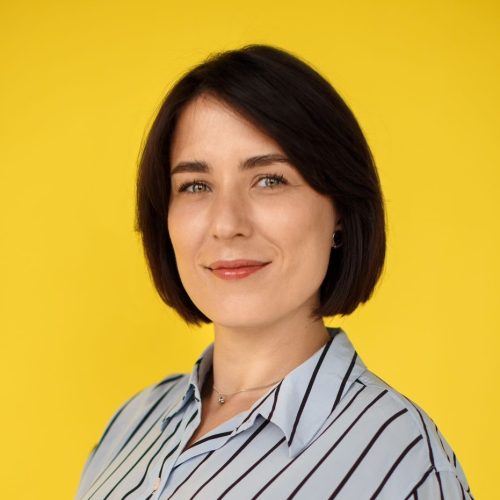
Yustyna Miskiv
Program Director at the Ukrainian Psychedelic Research Association (UPRA), where she coordinates strategic development and national-level initiatives aimed at creating safe and evidence-based access to psychedelic-assisted therapy in Ukraine. Her work focuses on policy advocacy, therapist education, and developing clinical standards adapted to the needs of veterans and trauma survivors.
With a background in organizational development and strategic program leadership, Yustyna has built and managed multi-disciplinary teams and long-term initiatives in both NGO and business sectors. She collaborates with academic, medical, and international expert partners to support the responsible and ethical implementation of psychedelic therapy in Ukraine.
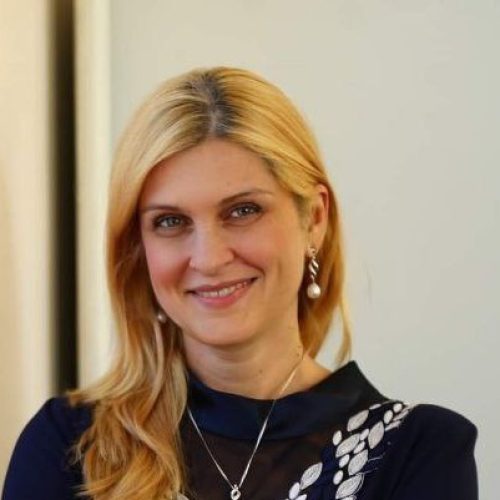
Tais Poda
Psychologist, PhD (Law), co-founder of the Ukrainian Psychedelic Research Organisation. She studied psychology, law, and culture; her interests also include the philosophical and anthropological aspects of psychedelics. As one of the co-founders of UPRA, she participates in advocacy and contributes to the organisation’s capacity-building, including the establishment of international partnerships. Since the beginning of the war, Tais has been consulting and serving on the boards of several charitable organisations and volunteering for veteran projects focused on rehabilitation and PTSD therapy.
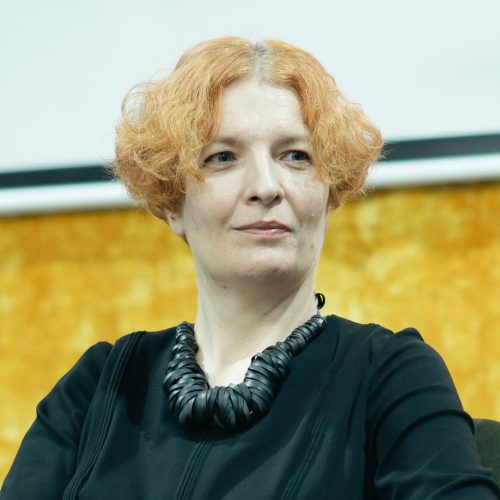
Oksana Gryshchenko
Oksana Gryshchenko, Dyrektor Krajowy organizacji non-profit z USA Heal Ukraine Trauma, działającej na Ukrainie. Posiada stopień doktora nauk ekonomicznych oraz tytuł magistra psychologii. Od ponad 15 lat kieruje międzynarodową firmą doradztwa biznesowego, specjalizującą się w przyciąganiu zagranicznych inwestycji na Ukrainę. Była doradcą Ministra Energetyki Ukrainy (2006-2007; 2010-2014). Ma również bogate doświadczenie w krajowej polityce oddolnej. Jej inne obszary zainteresowań obejmują kuratorstwo sztuki współczesnej oraz studia nad zachodnią ezoteryką, zgłębiając związki między religią a nauką.
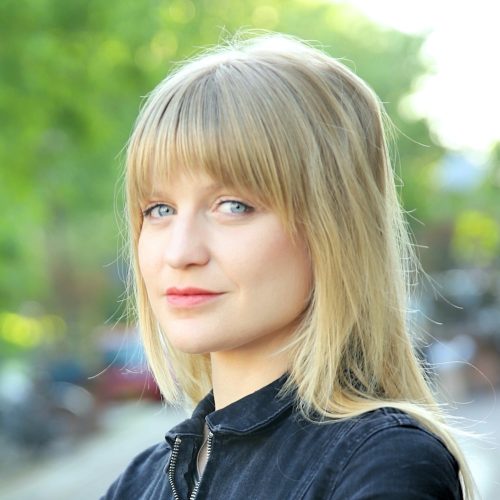
Julia Mandoki
Julia Mandoki is a researcher, women's right advocate and sexual and reproductive health educator of Hungarian origin, based in Amsterdam. With an academic foundation in religious studies and medical anthropology, she is currently working with international NGOs, such as ReproUncensored, and Women on Waves, addressing global health disparities, and promoting reproductive rights and accessible healthcare for women. Currently, she is researching the intersections of women, feminism and psychedelics, asking radically new questions about the origins of consciousness, bioethics and gender-blindness in the psychedelic sciences. Julia is a trained psychedelic facilitator, musician, and artist. She works with music therapy and supports individuals and groups in the Netherlands through intersectional, trauma-aware integration practices.
The aim of the “Psychedelic Integration” conference is to educate about:
- the application of various therapeutic approaches in working with altered states of consciousness
- the best methods for psychedelic integration
- conducting therapeutic sessions free from “drugshaming”
- synthesizing practical experience with scientifically researched, ethical, and proven methods
- integral and transpersonal approaches in psychology and therapy
- discovering what we can learn from other cultures that have used such states for thousands of years, and what is worth reinterpreting
- harm reduction in non-clinical and non-therapeutic psychedelic experiments
- the dangers and possible complications of using psychedelic experiences as part of therapy
- realistic expectations from psychedelic therapy
The conference is characterized by the guiding principle of integration.
Therefore, our mission is to:
teach what integration of altered states of consciousness in therapy looks like in practice
demonstrate the importance of integrating therapeutic work on mental, emotional, somatic, and systemic levels
integrate practical work on real human problems with science and the construction of verified theories
combine intensive and unconventional psychedelic processes with more predictable therapeutic processes
integrate various therapeutic approaches and methods to support people in coping with psychological challenges
integrate different aspects of education: sociological, anthropological, psychological
bring together people and communities from diverse environments, cultures, and cultural practices
integrate metaphysical and spiritual approaches with pragmatism and verifiability
unite different levels of knowledge: basic, intermediate, and advanced

Lecture Programs – November 15–16 – Saturday and Sunday & Workshop 14.11
Unique 4h workshop with Prof. dr Torsten Passie in English – 14.11 – 10:00-14:00
MDMA-assisted psychotherapy only for therapists.
Program:
• MDMA and its clinical application in psychotherapy
• MDMA in individual and group therapy
• Indications and counter indications
• How to handle patients in the beginning, during and after the MDMA-AP sessions
• Healing processes in MDMA-AP
• Other clinical issues
• Questions and answers
Group: 24 max – only for therapists
Date: 14.11.2025
Hours: 10:00-14:00
Trainer: Prof. dr Torsten Passie
Language: English (no translation)
Place:
- What psychedelics do in the brain?
- How these changes led us to research their possible utility in mental illnesse
- Learn of positive clinical data in disorders such as treatment-resistant depression addiction and OCD
online lecture – 60 minutes
- Presenting a short overview of the history of the use of MDMA in psychotherapy
- Outlining the different techniques which have been used in MDMA-assisted psychotherapy, including group therapy and use with non-trauma conditions
- Outlining the different psychological mechanisms of action of MDMA-assisted psychotherapy
- Outlining the neurobiolological mechanisms of action of MDMA-assisted psychotherapy
This presentation will explore the clinical trial process itself and
emphasize the crucial need for aftercare, community, and peer support
following participation. It will also address the importance of
education and support for participants’ loved ones. The talk will be
enriched with personal experiences from the presenter and quotes from
members of peer support groups, bringing real-life perspectives to the
topic.
Bullet points:
- Overview of the clinical trial process from a participant’s
perspective - The critical role of aftercare and ongoing support after trial
completion - Building and sustaining community and peer networks for
participants - Supporting families and loved ones through education and resources
- Personal stories and quotes from peers to illustrate challenges and
successes
The problem of artificial authenticity and pharmacological manipulation of bonding
Can the feelings and closeness experienced, for instance under MDMA, be considered genuine? Psychedelics may create the illusion of deep connection while underlying issues remain unresolved. A fundamental question arises: do we have the right to “chemically repair” a relationship if natural processes suggest it should end?Instrumentalizing neurochemistry in break‑ups and the risk of grief‑avoidance
Is pharmacologically “shortening” the pain of separation a form of escape from fundamental human experiences that shape our emotional maturity? There is a danger that psychedelic therapy could become a means of avoiding responsibility for the consequences of our relational choices—or deprive us of the important lessons that come from naturally working through loss.The commercialization of love
Does the development of “love drugs” lead toward a society in which the natural processes of bonding are replaced by pharmacological shortcuts?
- Current State of Knowledge on the Use of Ketamine, Psilocybin, and 5-Meo in the Treatment of Depression
- The Limits of Knowledge – Research Limitations and Unresolved Questions Regarding the Use of Psychedelics in Depression
- Knowledge in Practice – Challenges Associated with Implementing Psychedelic-Assisted Therapy in the Treatment of Depression
- The integration of psychedelic experiences within outpatient clinical practice and clinical research may appear to belong to two very distant worlds.
- How can we bridge the subjective, often deeply transformative dimension of a patient’s experience with the objective and highly structured frameworks of scientific methodology?
- In the clinical setting, this requires creating a safe space where patients can explore and integrate the meaning of their psychedelic experiences into their lives, while taking into account cultural, personality-related, and therapeutic contextual factors. In research, however, methodological rigor, standardized procedures, and objective outcome measures are paramount—yet these may risk simplifying or constraining the richness of individual narratives.
- The aim of this presentation is to examine the similarities and differences between these two domains, and to reflect on the lessons we may draw from their intersection.
- Explore how psychedelics can be integrated into precision psychiatry to tailor treatment plans based on individual genetic, biological, and psychological profiles.
- Discuss the latest research findings demonstrating the efficacy of psychedelics in treating mental health disorders, along with their implications for personalized patient care.
- Examine the ethical considerations and potential challenges in implementing psychedelics as part of precision psychiatric therapies, highlighting the importance of a patient-centered approach.
Sex-specific considerations in psychedelic response
- How hormonal fluctuations (menstrual cycle, pregnancy, postpartum, menopause) may alter psychedelic pharmacokinetics and subjective effects.
- Importance of including sex as a biological variable in psychedelic research.
Neurobiological underpinnings
- Role of estrogen in modulating serotonin and other neurotransmitter systems relevant to psychedelic action.
- Interaction of psychedelics with stress, trauma, and neuroplasticity mechanisms particularly relevant for women.
Psychedelics and women’s mental health
- Potential applications in premenstrual dysphoric disorder (PMDD), postpartum depression, and menopause-related mood and cognitive symptoms.
- Addressing gaps in treatment where conventional approaches are limited.
Future directions
- Call for rigorous clinical trials that explicitly recruit women across reproductive stages.
- Integrating women’s lived experiences into psychedelic program design.
- Broader vision: psychedelics as tools not just for treatment, but for empowering women’s health and wellbeing.
Over 150 clinical studies have already confirmed the therapeutic potential of psilocybin and psilocybin-containing mushrooms in treating conditions such as depression, anxiety, addiction, Alzheimer’s disease, and pain. The latest findings indicate that psilocybin may also contribute to lifespan extension by exerting a protective effect on telomeres.
Lion’s Mane (Hericium erinaceus) is an edible and medicinal wood-growing mushroom containing hericenones and erinacines, compounds that stimulate the production of nerve growth factors NGF and BDNF. Clinically, the use of Lion’s Mane has been shown to enhance alertness, improve sleep quality and cognitive performance, strengthen memory, reduce symptoms of depression and anxiety, and elevate overall mood.
The lecture will explore the mechanisms underlying the effects of psilocybin and psilocybin mushrooms, as well as hericenones and erinacines from Lion’s Mane, and discuss their potential applications in the context of an aging population and the growing epidemic of mental and neurodegenerative disorders.
Main Discussion Points:
1. Beyond the Battlefield
Stories of female veterans navigating life after service — from trauma and resilience to redefining identity and purpose in civilian life.
2. Living Through War
Experiences of those who have endured conflict first-hand: witnessing violence, losing loved ones, and rebuilding amidst destruction.
3. Displacement and the Search for Home
The inner journey of refugees — adapting to new cultures while carrying the emotional weight of exile and loss.
4. The Healers and Helpers
Therapists, doctors, volunteers, and community workers who dedicate their lives to supporting others through war-related trauma.
5. Leadership and Advocacy
Women leading movements, patient organizations, and veteran initiatives that bring voice, visibility, and change to war survivors.
6. From Individual Healing to Collective Resilience
How shared experiences of pain and recovery can inspire trauma-informed peacebuilding and a more compassionate future.
- Redefining “Psychedelic”: Exploration of the term’s etymology and its
proposed role as a descriptor for altered states marked by increased
access to subconscious mental content. - The Entropic Brain Principle (EBP): Introduction of a model where the
entropy of spontaneous brain activity correlates with the richness of
experience, offering insight into how psychedelics alter brain dynamics. - REBUS and Therapeutic Implications: Explanation of the “Relaxed
Beliefs Under Psychedelics” (REBUS) model and its relevance to
understanding mental illness and the therapeutic potential of
psychedelics.
Online lecture – 60 minutes
- explore clinical evidence supporting MDMA-assisted therapy for PTSD and where it sits alongside established first-line treatments.
- examine when MDMA-assisted therapy may be most beneficial in the
care pathway, including for treatment-resistant and complex cases. - discuss training, governance, and regulatory frameworks needed
for safe and effective integration into European mental health systems.
- Naturalistic EEG studies with ayahuasca: challenges and practical
insights - Intra-individual stability of the phenomenological and EEG signatures
of ayahuasca. - EEG-based inter-brain synchrony during an ayahuasca ceremony.
The influence of music on perception and emotions in altered states of consciousness
What is the significance of music selection in psychedelic-assisted therapy?
How can music support the process of integrating psychedelic experiences?
Psychedelics as modulators of the autonomic nervous system and interoceptive processing
Neuronal metastability as a mechanism for flexibility and self-transformation
From disintegration to transformation: consolidating the psychedelic experience into lasting change
Risk, causes, and course of total loss of control over a psychedelic journey – why it happens
Types, depth, and various consequences of bad trips – the extent of the “damage” (if any)
Amateur andprofessional methods of integrating the most challenging experiences – what we can do about them
- Overview of the latest scientific research on the effectiveness, mechanisms, and challenges of group therapy assisted by psychedelics.
Practical aspects of facilitating group sessions and retreats in Poland and abroad, including examples of challenges and the benefits that arise from working in a group format.
Experiences with participant screening for retreats, the significance of the group process, and the legal, psychological, logistical, and financial challenges involved in running psychedelic retreats.
- New Access Models – Controlled Clinical and Research Use (Australia, Germany, Czech Republic, Switzerland)
- Regulatory Diversity – ranging from individual authorizations (Switzerland) to statutory therapeutic programs (Australia, Czech Republic).
- USA and New Zealand – development of local frameworks and initiatives.
- European Union – the PsychedeliCare citizens’ initiative advocating for legal harmonization and standardization of therapies.
In recent years, there has been a dynamic expansion of legal frameworks governing the use of psychedelic substances. An increasing number of countries are adopting limited access models that allow their use under strictly controlled clinical and research conditions.
The purpose of this presentation is to provide a comparative analysis of selected legislative approaches. The analysis includes, among others, Australia, where since 2023 psychiatrists have been authorized to prescribe psilocybin and MDMA for treatment-resistant depression and PTSD; Switzerland, which since 2014 has operated a system of individual permits covering psychedelic substances; the Czech Republic, which in 2025 adopted legislation allowing the use of psilocybin in specialized psychiatric facilities; and Germany, which has launched the first EU compassionate use program for psychedelic treatments.
The analysis will also take into account both existing and proposed solutions from the United States, with an additional mention of New Zealand and the European PsychedeliCare initiative, aimed at the harmonization of legal frameworks and the standardization of therapeutic practices.
• A European need – From Lack to Access
• From Local Efforts to European Impact
• Building Sustainable Change
- Scientific Contributions – Highlighting women-led research and innovations in the psychedelic field.
- Gender-Specific Perspectives – How women’s experiences shape therapeutic outcomes and scientific understanding.
- Misconduct and Misuse – Addressing cases of abuse, power imbalance, and ethical failures in psychedelic contexts.
- Lessons Learned from Past Mistakes – Building safer and more inclusive practices for the future.
- New Horizons – Exploring fresh approaches, methodologies, and opportunities driven by women in science and therapy.
Be with us.
If you care about
promoting and expanding knowledge about the use of psychedelics in therapy,
the latest discoveries by Polish and international scientists, practitioners, and sources of inspiration for the development of psychology and therapy through an integral approach,
a 90-minute meeting in Warsaw with Dr. Rick Doblin (who will deliver a one-hour lecture followed by a 30-minute Q&A session), a world-renowned specialist in psychedelics, founder of MAPS, a pioneer of psychedelic research who secured over $100 million in funding for studies that may have a key impact on current global changes,
harm reduction — so that those seeking liberation from their problems know how to do it safely, responsibly, and without harming themselves or others,
raising awareness among new therapeutic, psychological, and psychiatric groups about the potential of psychedelics and altered states of consciousness,
exploring how different therapeutic approaches can contribute to the development of psychedelic therapy,
discovering how various therapy modalities incorporate processes involving altered states of consciousness,
initiating a broad public debate on the effects of psychoactive substances and their role in mental health,
shifting societal mindsets to recognize that psychedelics have therapeutic potential and are not addictive drugs,
helping as many people as possible affected by war experiences and PTSD, with special attention to war veterans and those impacted by trauma in the context of the armed conflict in Ukraine
Why is it worth being here?
Presence and lectures by international experts who have a profound impact on changes in therapy and psychiatry:
Lectures by Polish authorities who contribute to expanding knowledge about psychedelic experiences in our local context:
Presentations by Polish therapists and psychologists actively working in psychedelic integration
Open discussions about the difficulties and risks even present in clinical and therapeutic use of psychedelics
Panels with Polish experts focused on harm reduction and preventing dangers associated with irresponsible use of psychoactive substances
Conducting lectures and panels in four key areas: practice, science, culture, and society
Meetings with influential figures shaping Polish psychology, psychotherapy, psychiatry, and medicine to align with the latest global standards, and potentially lead and transform the mental health field
Our commitment to making the conference not just an intellectual journey, but a space for exchanging experiences, connecting with like-minded individuals, and exploring the mysteries of the mind that inspire change
Collaboration with diverse communities: from scientists through therapists, sociologists, to legal experts
Combining a professional, scientific approach with openness to other cultures and thousands of years of wisdom from many indigenous tribes worldwide
Inclusivity and perspectives from groups that are often less heard and seen

What is the reason for organizing the second edition of the Conference on Integration and Psychedelic Therapy?
- Poland needs an international community of scientists, researchers, practitioners, media, therapists, and psychiatrists who will support the introduction of high standards that will make psychedelic therapy legal and safe.
- There are too few initiatives that provide access to international knowledge, as well as Polish specialists’ experiences in the application of altered states of consciousness and the integration of such states.
- There is still too little research demonstrating to medical professionals and governments the potential of psychedelic therapies.
- A broad initiative is needed to raise awareness about how wise and safe implementation of psychedelic processes can help in treating depression, anxiety disorders, and PTSD.
- Too many professionals still lack knowledge about psychedelic experiences and assist their clients based on prejudices rather than the latest scientific insights.
- We make too little use of the knowledge and experiences of other cultures that for hundreds or even thousands of years have employed the wisdom of nature and the possibilities offered by plants and fungi to address people’s emotional problems.
- We want to develop the idea of combining scientific approaches with practice.
- There is too little exchange of knowledge and experience between professions and cultures.
- There are too many reckless experiments with psychedelics among people who lack a foundational understanding of the subject.
The conference also aims to support the search for answers
For challenges such as:
Fragmented, disorganized knowledge drawn from many random sources
Feelings of loneliness, even social or familial exclusion due to interests diverging from the classical approaches in psychology, therapy, and psychiatry
Feelings of professional isolation and exclusion among psychologists, therapists, psychiatrists, and doctors who begin to think differently—integrally and holistically—but find no like-minded peers in their environment, thus seeking communities embracing integral and psychedelic approaches
The threat posed by unprofessional knowledge and amateur experts who lack theoretical, scientific, and practical preparation and sometimes act unethically
Lack of knowledge about what to do when classical therapeutic methods fail for ourselves or our loved ones, and what to do when the most popular medications do not alleviate anxiety, depression, or PTSD
Risks associated with the “psychedelic underground,” where both young and life-experienced individuals experiment irresponsibly with substances seeking relief from emotional pain or emotional, spiritual, or mental development through “miraculous” substances, sometimes becoming entangled in dysfunctional groups
Abuse in therapy, particularly in work with women, sensitive individuals, or discriminated groups

Thus,
It is important to us that
organize the best and most verified knowledge in one place,
create a community seeking like-minded people who explore professional knowledge in a friendly environment,
help build a community of specialists eager to connect with other doctors, psychologists, therapists, and psychiatrists sharing similar values and a need for professional growth,
be a place that supports educating the market, current and future experts, equipping them with theoretical, scientific knowledge and practical skills to act professionally and ethically.
share the latest scientific and practical discoveries that enable safe and ethical support in treating anxiety disorders, depression, and PTSD,
educate and influence the market to professionalize the approach to psychedelic therapy, so that in the future, those in need can seek help in therapy involving altered states of consciousness fully legally and professionally,
promote standards and values that provide a sense of safety in therapeutic work for women, sensitive individuals, and discriminated groups,
create, in the future, an international and the largest conference in this part of the world, which connects cultures, scientists, and practitioners while offering professional knowledge and practical experiences.
Location
The conference on Days 2 and 3 will take place at Warsaw University of Technology,
ul. Koszykowa 75 (Building of the Faculty of Mathematics and Information Science).
Note: Friday workshops will take place in a different location than the main conference - a 20-minute walk from the main hall: Golder Floor, Al. Jerozolimskie 123A: https://maps.app.goo.gl/QLaXzooNnfSyUbym8

Instructions
- The closest entrance to the Faculty of Mathematics is the gate from Koszykowa Street.
- Please note that Warsaw University of Technology is a large campus with many buildings. The conference takes place in the Faculty of Mathematics — a large, modern glass building.
- Parking — there are few parking spaces around the university. It is best to arrive by public transport. Paid parking is available at Hala Koszyki (a shopping gallery) at Koszykowa 63. There are no parking spaces for participants on the university grounds.
- Participants who have not purchased catering or lunch can use the nearby (3-minute walk) "Hala Koszyki" gallery, which offers a wide variety of food and drinks.
- Friday workshops will take place in a different location than the main conference - a 20-minute walk from the main hall: Golder Floor, Al. Jerozolimskie 123A: https://maps.app.goo.gl/QLaXzooNnfSyUbym8
Lecture location: November 15-16 (Saturday-Sunday)
Workshop location 14/11 (Friday)
Select a ticket and click the button
MEET
OUR PARTNERS
















DO YOU WANT
Cooparate?
If you would like to establish a partnership with us to promote the conference and/or create your stand, please write to us to learn about the financial conditions: partner@holomind.org
Media
If you are a journalist and want to receive a ticket to write an article or make a video report, write to us at media@holomind.org
If you are an influencer or active in social media and would like to collaborate, please contact us at media@holomind.org – talk to us and let’s discuss possible activities together.
November 15-16, 2025 Warsaw
2nd Edition – Conference on Psychedelic Therapy and Integration
HoloMind
We invite you to the Conference on Psychedelic Therapy and Integration. Foreign and Polish specialists (scientists, psychotherapists, psychologists, practitioners) will talk about practical aspects of using different psychological trends, as well as approaches during therapy and integration of psychedelic experiences.
The Psychedelic Therapy and Integration Conference aims to scientifically and reliably integrate knowledge and research on the use of psychoactive substances in the treatment of, among others, drug-resistant depression, post-traumatic stress, or addictions. The use of psychoactive substances in therapy is gaining increasing support among scientists and therapists around the world.
It is legal in the USA (Oregon), Australia, Israel and decriminalized, for example, in the Netherlands. The therapeutic potential of such therapy is also taken into account by the European Parliament.
Our Conference aims to inform about the latest methods of treating depression and post-traumatic stress, but our educational mission also includes reducing harm associated with the illegal use of psychoactive substances.